
By: Nico Ospelt
Whether you want to pursue a career in an international law firm or want to be part of the EU cosmos, the College of Europe might be the perfect place for you. It’s one of the most renowned universities for European studies, offering master’s programmes in economics, legal studies and diplomacy. Supported by the European Union, the College of Europe offers a network that brings students face to face with Europe’s decision-makers.
The best part about the College is that it’s spread across Europe with three campuses:
Bruges campus: Where Europe is studied in depth
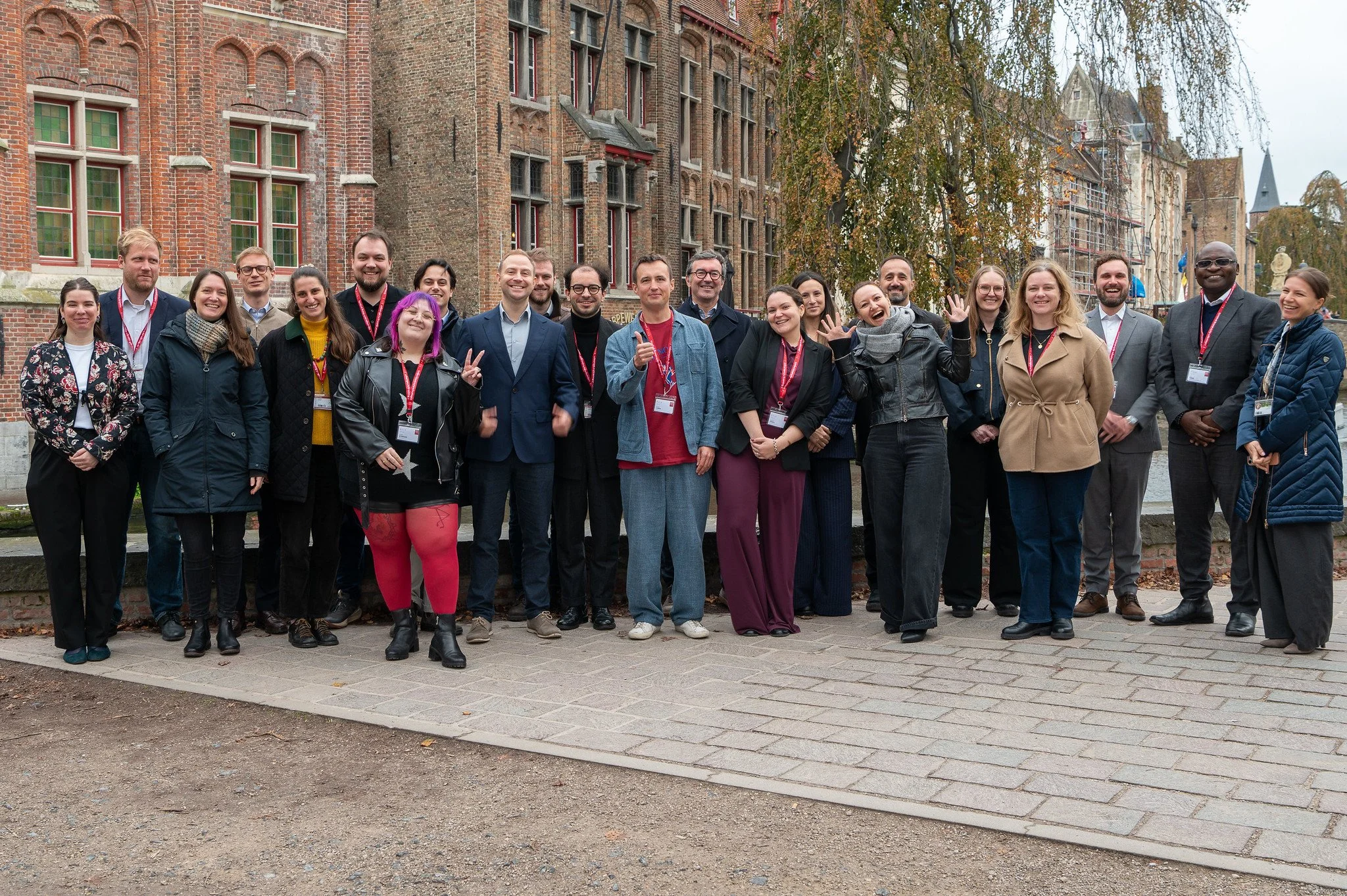
Bruges is the College’s historic home and its largest campus, offering four specialized master’s programmes. For law graduates, the bilingual Master of European Law offers an intensive education in EU law, from the constitutional legal order and fundamental rights to moot court competitions and a study trip to Brussels and Luxembourg. Each class requires extensive individual preparation, and the teaching methods vary.
The Master of Arts in European Political and Governance Studies also takes place in Bruges and focuses on how the EU really works and how to work with it. It’s built around a month-long simulation game in which the students put their newly acquired knowledge to the test. One of its most outstanding features is that professional experience is provided within the programme through work with partners of the College of Europe such as ULB (Débats sur l’Avenir de l’Europe), euradio (EU!radio podcasts) and SPECQUE.
The third programme offered in Bruges is the Master of Science in European Economic Studies. It covers EU economic integration, markets and regulation, with the opportunity to participate in research projects mentored by the European Investment Bank and in competitions such as the Solvay Business Game.
Future diplomats will find their place in the fourth postgraduate programme offered in Bruges, the Master of Arts in EU International Relations and Diplomacy Studies. It combines EU external action with negotiation skills, a crisis management simulation, a visit to Geneva and a year-long language course in Arabic, Chinese, German, Russian, Spanish or advanced French.
The big questions of our time, from security and trade to climate and the future of the global order, can’t be answered from one side of the Atlantic alone. The Master of Arts in Transatlantic Affairs is built around exactly that idea. It is a two-year joint degree from the College of Europe and the Fletcher School of Law and Diplomacy at Tufts University, and students spend one year on each side of the ocean. In year one, you can begin your studies at the College of Europe, either in Bruges or in Natolin, before you cross the Atlantic.
Natolin campus: Thinking beyond disciplinaries
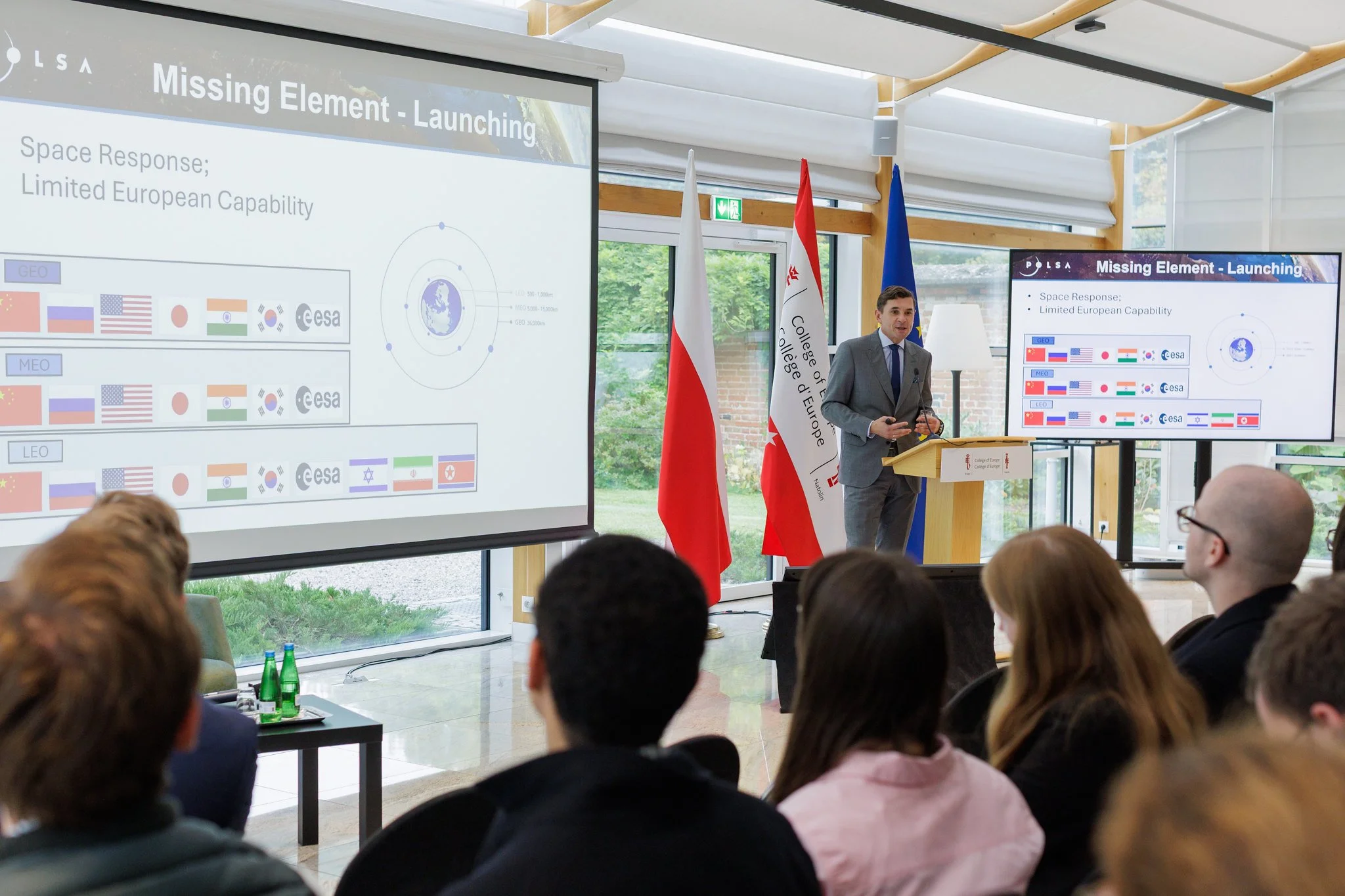
Where Bruges goes in depth, Natolin goes in width. The Master of Arts in European Interdisciplinary Studies is built for students who want to see Europe’s big questions from every angle. The programme offers an innovative curriculum and a strongly problem-based approach through its four study tracks. Political basics such as sociology, philosophy and international relations are brought together for a better understanding of complex issues. Besides a historical understanding of Europe as a strong foundation, students also gain a range of career-oriented skills to be well prepared for their careers.
As mentioned before in addition to Bruges the first year of the Master of Arts in Transatlantic Affairs can also be completed in Natolin. So it’s up to you whether you start your transatlantic journey in Belgium or Poland.
Tirana campus: Studying integration where it happens
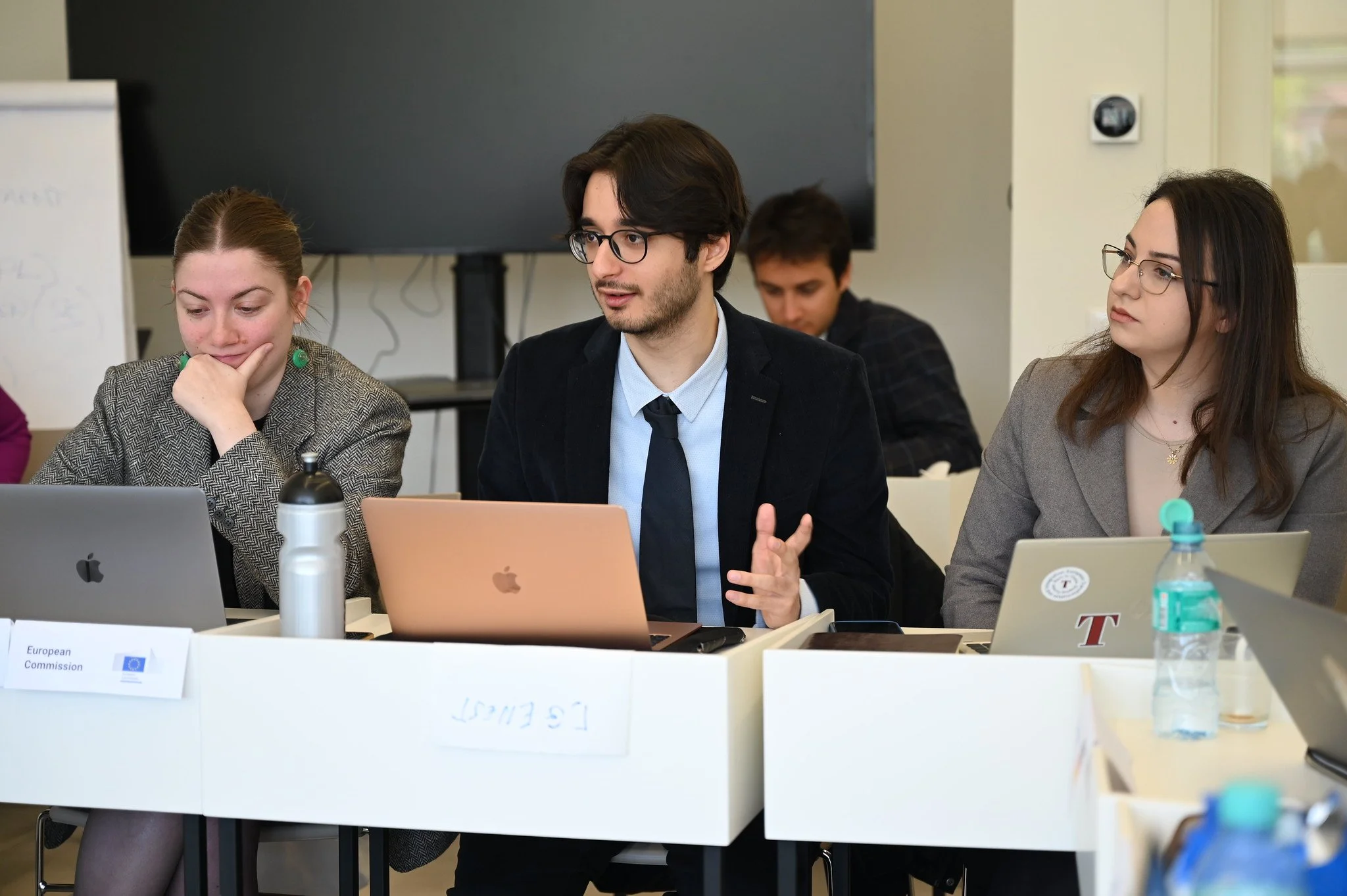
If Bruges is about depth and Natolin about width, Tirana is about the future of the EU. It is the first campus of the College of Europe outside the European Union. The Master of Arts in European Transformation and Integration combines European integration with political, economic and societal transformation, with a regional focus on Southeastern Europe. It prepares its graduates for careers in EU institutions, especially in response to the growing demand for experts in EU enlargement. To that end, the Tirana campus places you at the heart of an accession process, as Albania has been an official EU candidate country since 2014. The programme includes an accession negotiations simulation and an international student community to expand your perspectives and professional networks.
The campuses differ, but the core of the College of Europe is the same everywhere. In each programme, academic components are combined with practical training such as simulations and workshops. And every campus brings together an international community that gives each student the chance to become part of a professional network for life.
So now it’s your turn to decide whether you want to master one discipline in Bruges, connect the dots across many in Natolin, or study Europe’s future in Tirana.
