
A Transformative Year: My LL.M. Experience at the College of Europe
Viktoria Farkas is the Director for Expansion of ELSA International and previously served as President of ELSA Belgium for the 2024/2025 term. In the piece below, she shares her experience as an LL.M. candidate at the College of Europe in Bruges, Belgium.
My Journey into EU Law

Viktoria Farkas, author
If I had to pinpoint the moment when EU law first captured my interest, it would be during my Bachelor’s studies, in what I initially assumed would be just another required course. Instead, that introductory EU law class quickly became my favourite. It opened my eyes to how deeply the European Union influences our everyday lives, often so quietly that many of us hardly notice it. As I took more EU-related courses, it became increasingly clear that beneath the legal rules lay an enormous and intricate system with profound impact on everything from consumer protection to digital markets, from cross-border mobility to environmental regulation.
What fascinated me most was how EU law manages to be both highly technical and incredibly political, shaping not only market structures but also societies. That growing curiosity ultimately led me to search for a post-grad programme that could offer both intellectual depth and a genuinely European perspective. The LL.M. at the College of Europe promised exactly that: a full immersion into the world of EU law, its principles, its tensions, its institutions, and the people who bring it to life.
Choosing the College of Europe
Several elements drew me to Bruges. My personal interest in EU competition law played a major role; the College has a well-established reputation in this field, with professors who actively shape contemporary debates and legal developments. I wanted to learn from those directly involved in the cases and policies I had been reading about.
Equally important was the international dimension of the College. I was looking for more than a traditional university programme; I wanted a setting where diversity of nationality, culture, legal background, and opinion was the core of the experience. The College of Europe resembles the atmosphere I appreciated within ELSA: a space where students and young professionals come together, despite widely different backgrounds, to debate, collaborate, and grow. The spirit is similar to the energy one encounters during international ELSA meetings or ICMs, except that at the College, this multicultural exchange becomes part of everyday life rather than a temporary event.
The proximity to Brussels was another decisive factor. Being able to attend conferences, listen to high-level practitioners, meet alumni working in the institutions, and experience the “EU bubble” firsthand felt like an invaluable opportunity. It meant that the study of EU law would not be confined to textbooks; it would be connected to the real political and legal world in which it operates.
Academic Life in Bruges
The academic experience at the College is renowned for its intensity, and it certainly lives up to its reputation. Courses are offered in English and French, which mirrors the multilingual reality of working in EU affairs. While the workload is substantial, the structure of the programme is designed to build a strong and comprehensive understanding of EU law.
The core courses, covering internal market law, competition law, state aid, judicial remedies, constitutional law, and fundamental rights, provide a solid grounding in the EU legal system. Around this foundation, students can choose from a wide range of electives. I focused primarily on competition law but also took classes that helped me understand economic regulation, trade, and fundamental rights from different angles. The ability to craft a personalised academic profile was one of the aspects I appreciated most.
Classes are deliberately small and interactive, which encourages genuine dialogue rather than passive note-taking. Professors often bring personal experience, from their work at the Commission, the Court, or specialised law firms, into the classroom. This practical dimension was invaluable, as it bridged the gap between theory and real-world application. The discussions often extended beyond the classroom, continuing during lunch breaks or even late at night in residence kitchens.
A particularly memorable challenge was the mandatory moot court. It required teamwork, careful preparation, and the ability to stay composed under pressure. I had the chance to plead on behalf of our team, which was honestly quite intimidating at first. Standing in front of the panel felt overwhelming, but once I started presenting our arguments, the initial fear eased a little, replaced by focus and determination. The experience pushed me well beyond my comfort zone, and while it was not perfect, it was incredibly valuable. It helped me grow more confident in my advocacy skills and showed me that I am capable of handling demanding situations with a bit more calm than I expected.
The academic year culminates in the master’s thesis, which offers a unique opportunity to explore a chosen topic in depth. With the guidance of my supervisor, I examined a nuanced issue within intellectual property and competition law, learning not only how to research meticulously but also how to develop a coherent argument over several months. Completing the thesis was one of the most rewarding achievements of the year.
Balancing all of this with my responsibilities as an active ELSA officer was not always easy. There were moments when meetings, deadlines, and events coincided with academic pressure. But remaining engaged in ELSA provided an additional layer to my experience: it kept me connected to a broader European network of motivated law students, but most importantly, friends. Meeting other ELSA officers, sometimes unexpectedly, reinforced how interconnected the European legal community is. Although demanding, this dual commitment gave my year an international vibrancy that I cherish deeply.
Professional and Personal Growth
The College of Europe places great emphasis on career development, offering a range of opportunities for students to explore professional paths. The annual Career Day is a major event, bringing together law firms, EU institutions, NGOs, and academics. Throughout the year, additional networking events allowed us to speak with practitioners, alumni, and experts who provided insights into the many trajectories a career in EU law can take.
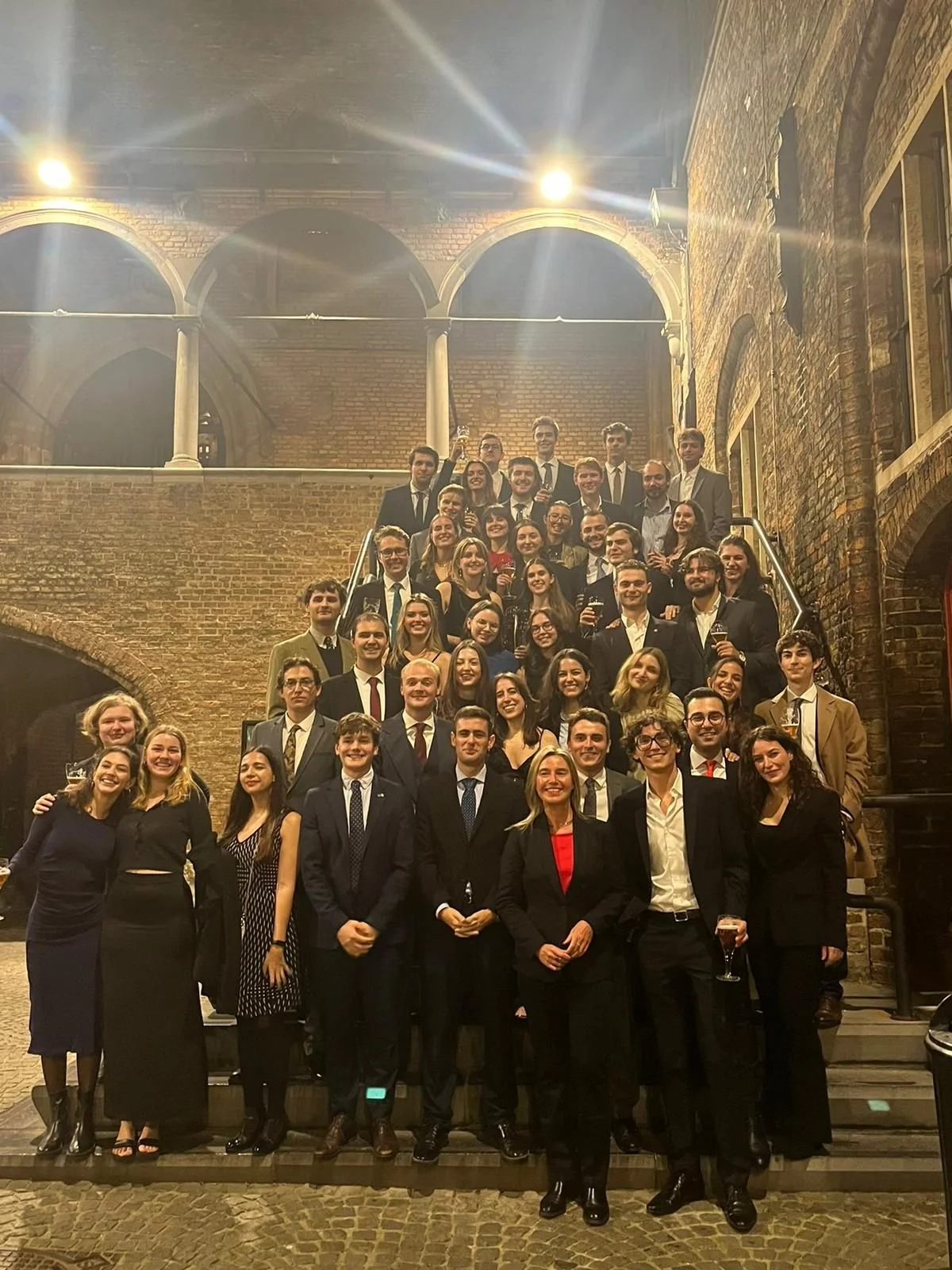
One of the highlights of the year was the study trip to Brussels and Luxembourg. Visiting the European Commission, the European Court of Justice, and other institutions made the institutional structure we studied in class more concrete and tangible. Listening to officials speak about their daily work and the challenges they face offered a rare glimpse behind the scenes of how EU law is shaped and interpreted.
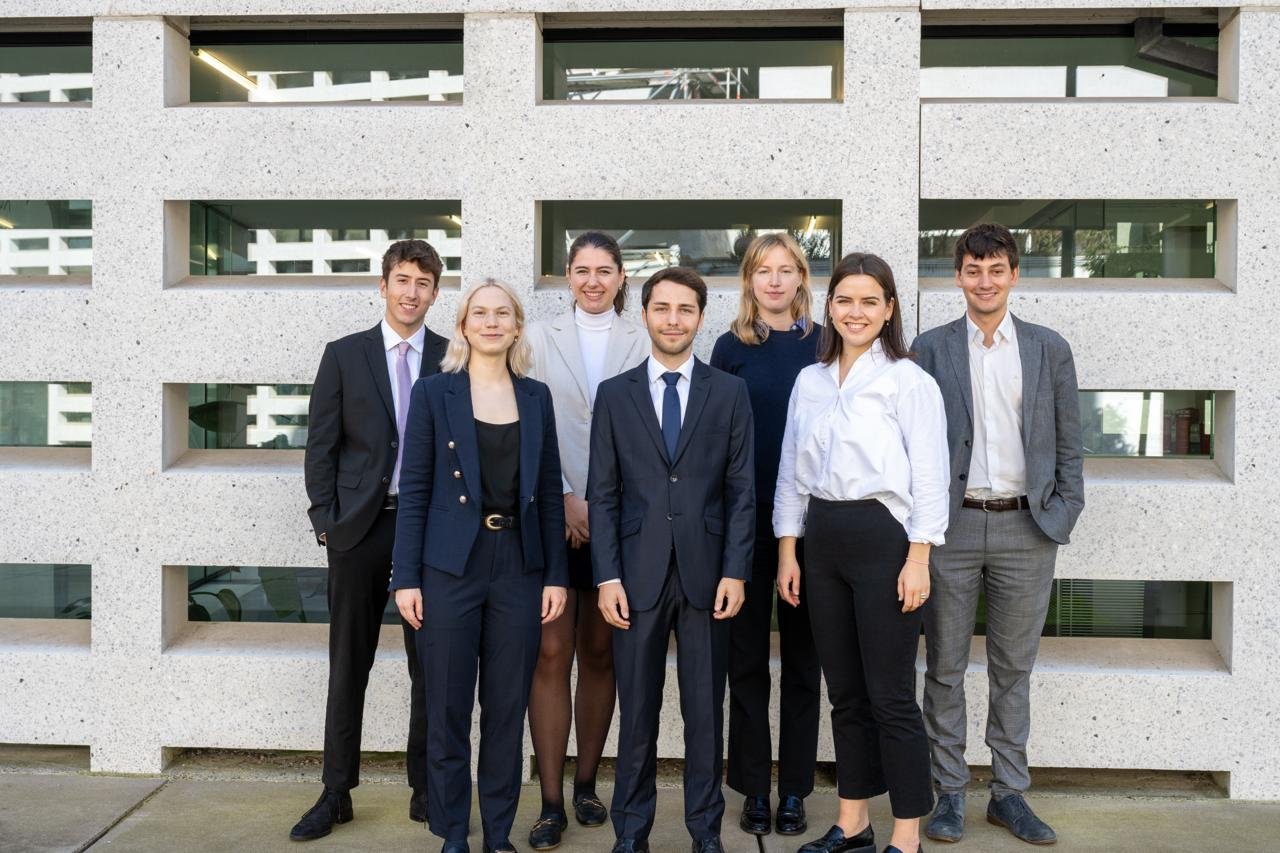
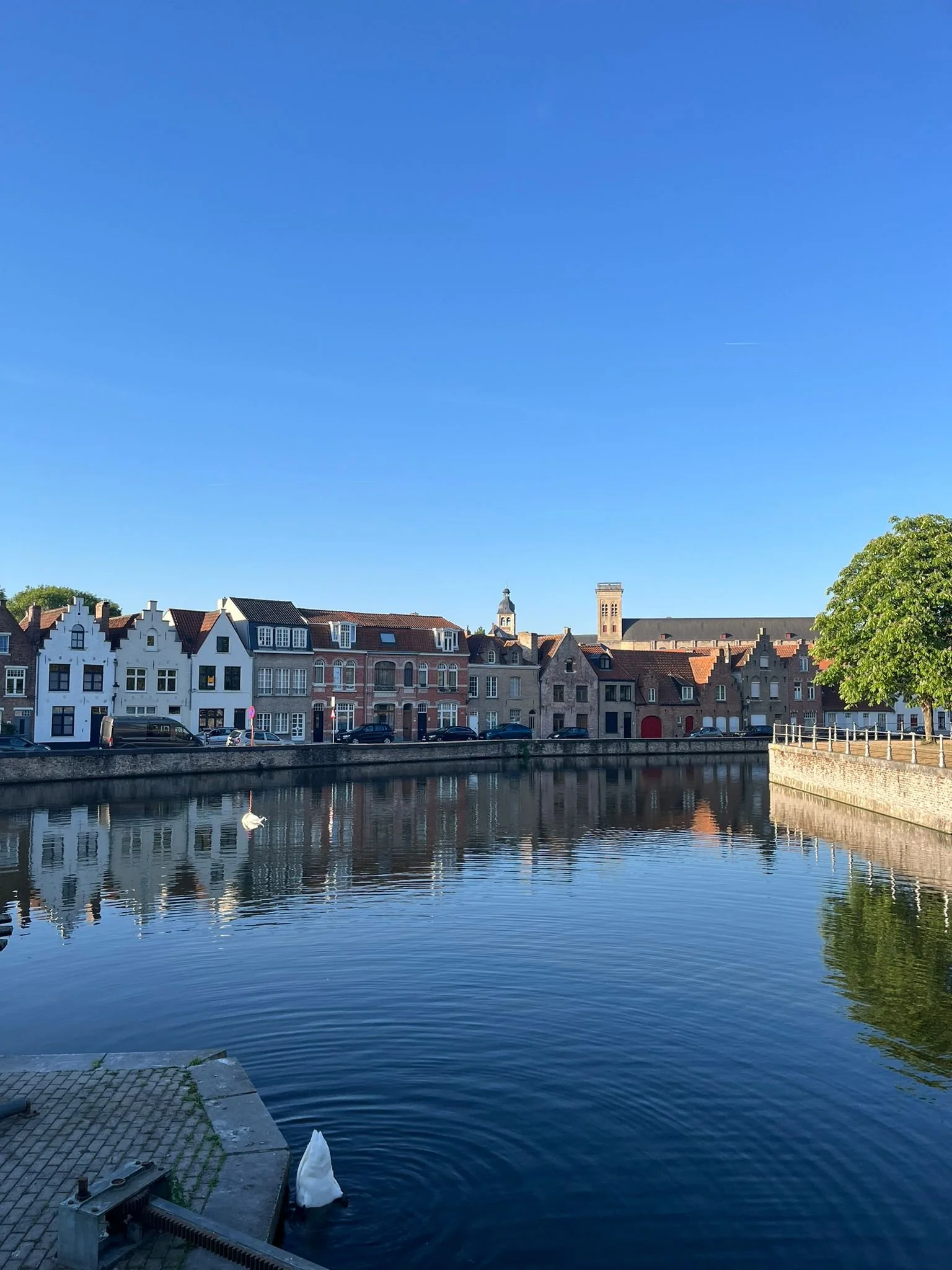
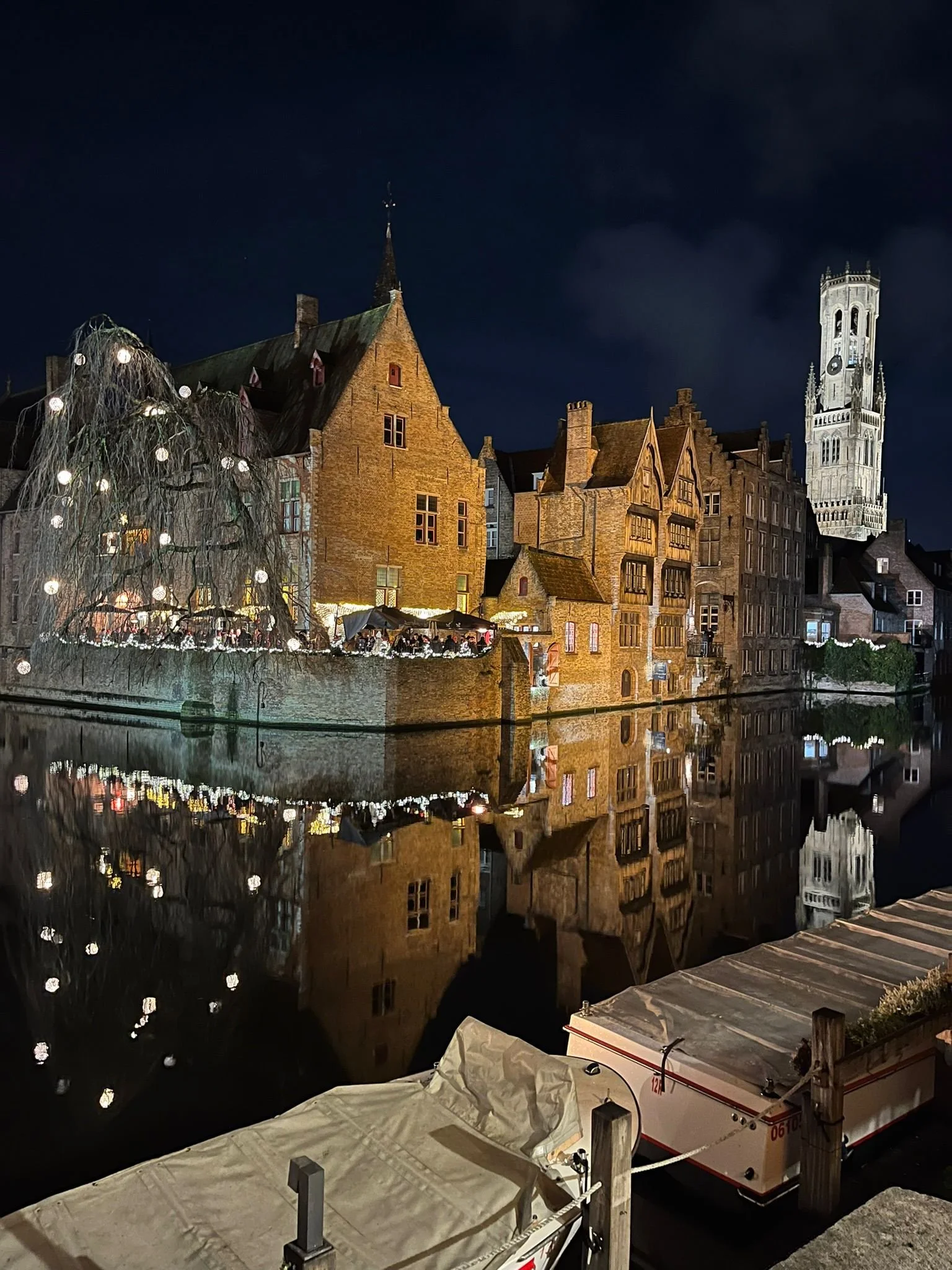
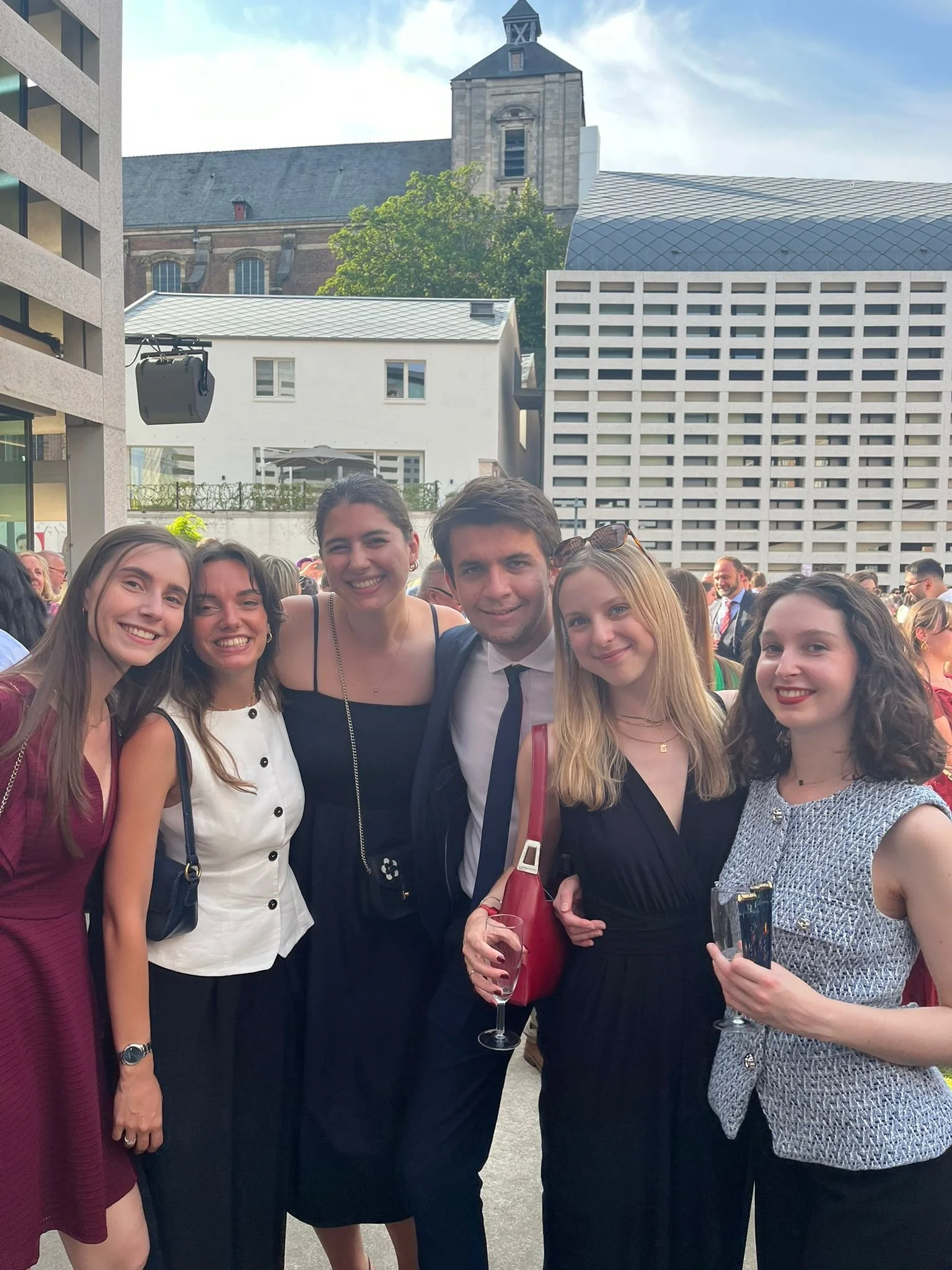
Daily life on campus was equally formative. All students live in residence halls spread out over the city, creating an environment where friendships form naturally and quickly. Living, studying, and spending free time together creates a unique sense of community, one where support, humour, and shared experience are central. The canteen becomes a gathering place where conversations range from legal philosophy to weekend plans. The two libraries and numerous study rooms provide calm, focused spaces for academic work, though Bruges itself, with its peaceful canals, small cafés, and hidden gardens, offers plenty of alternative study spots.
Student life is rich and varied. There are sports teams, language courses, music groups, and events organised weekly. Thursday evenings at BarCo, the student-run bar, became a cherished tradition: a place to relax, meet people from other programmes, and disconnect from the intensity of the week. The national weeks, during which students introduce their country’s culture through lectures, exhibitions, and meals cooked in the canteen kitchen, were among the most memorable experiences. They reflect the colourful mosaic of the College, a celebration of differences, mutual curiosity, and European identity.
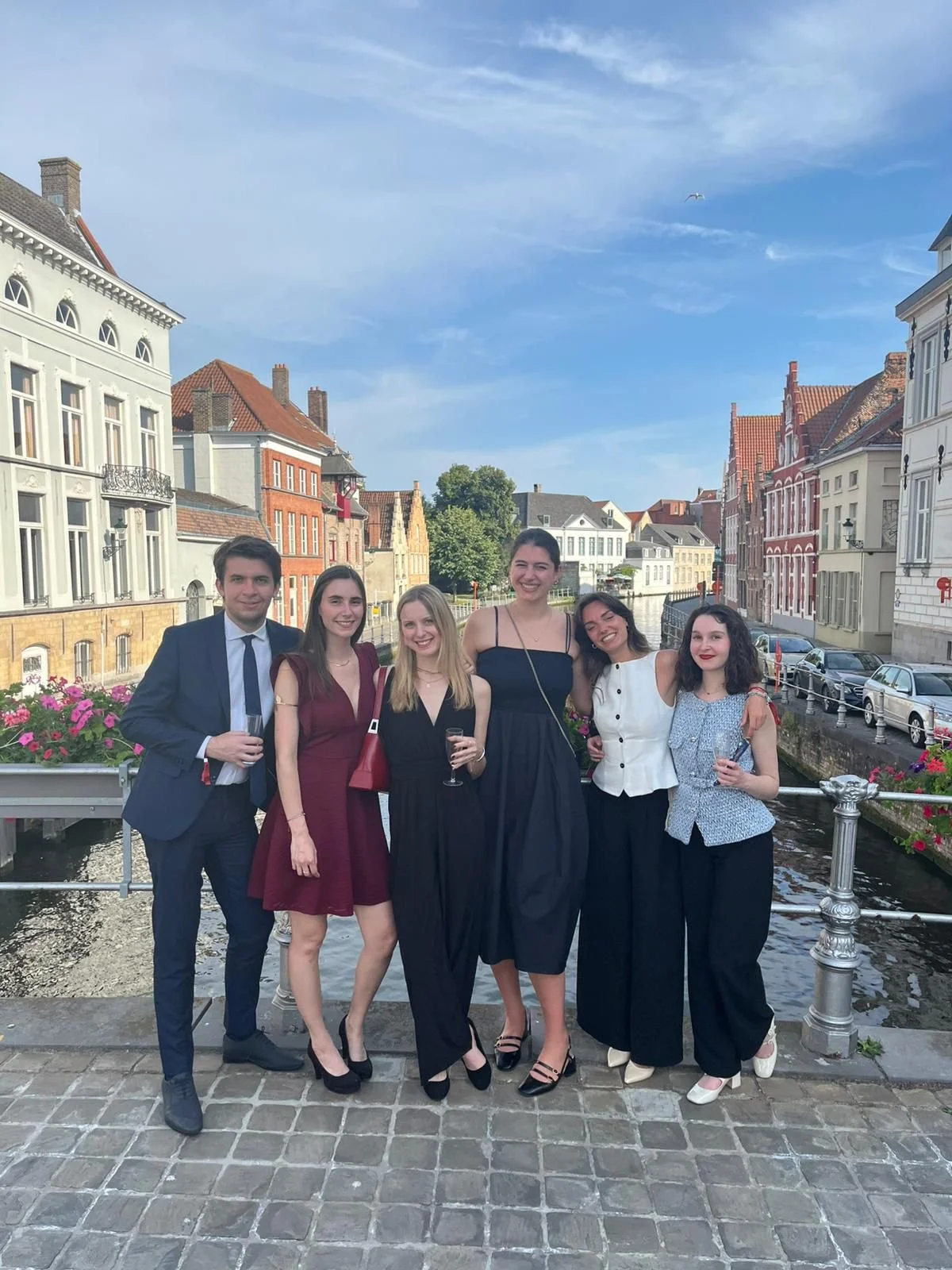
Bruges is a place of contrasts. Its beauty is undeniable, but the long, rainy winter and the ever-present tourists can make everyday life feel a bit demanding. That’s why the arrival of spring feels almost magical. Suddenly the city brightens, the library garden comes to life, and parks fill with students taking much-needed breaks in the sun. After months of damp, grey days, my friends and I often joked that we had “survived” winter together, and in a way, we had. When the warm weather finally came, we made the most of it: studying outdoors, organising last-minute picnics, or simply sitting on the grass and enjoying the light after a full day of classes. Those moments became a small ritual that we carried on until our very last day in Bruges.
Through all of this, the lectures, the late-night study sessions, the responsibilities, the friendships, the ELSA commitments, this year shaped not only my academic path but also my sense of self. It challenged me to grow, to manage competing priorities and to adapt.