
ELSA at the ASEF Young Leaders Summit: Reflections on Leadership in Society 5.0
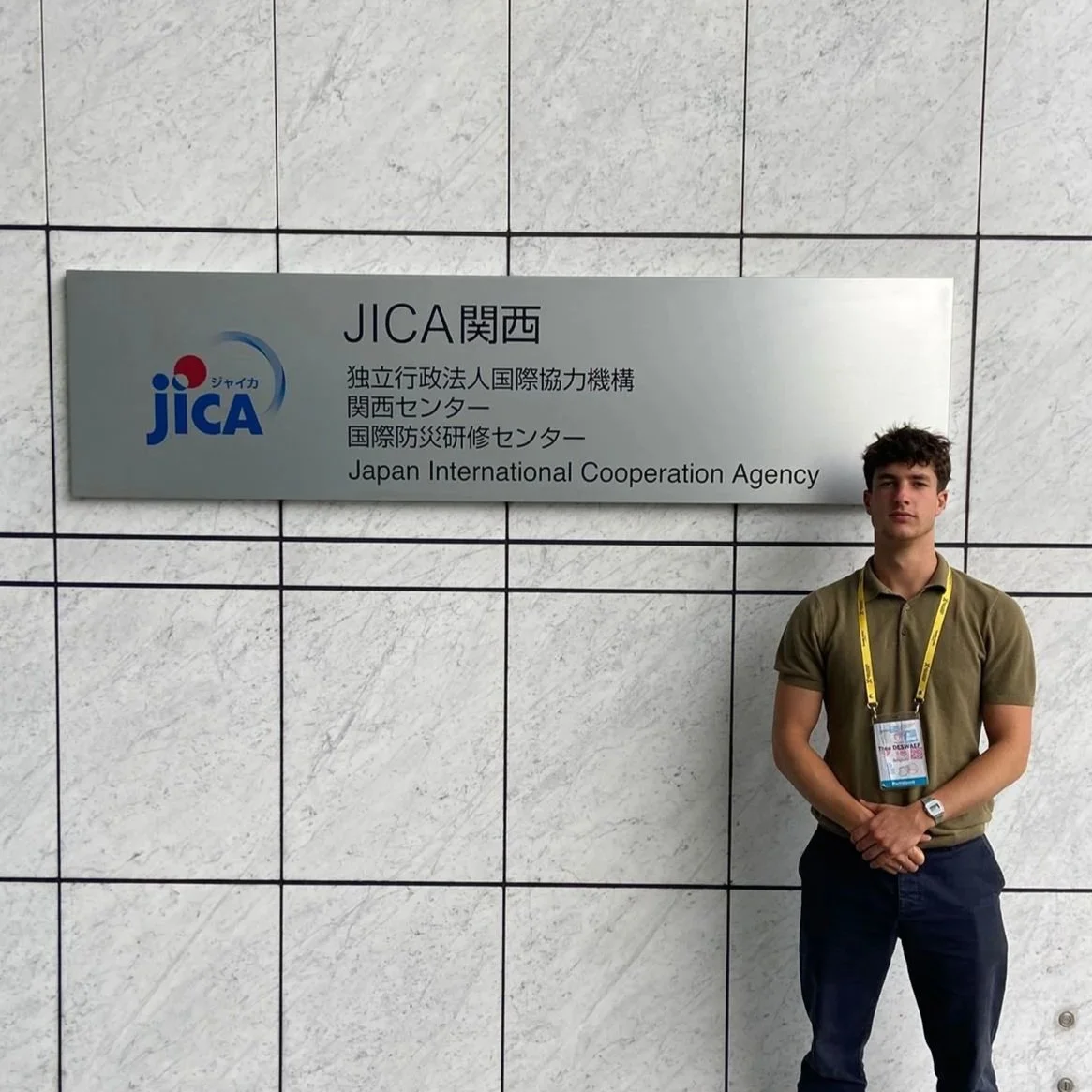
Théo Deswaef, Author
Hey you ! Dear reader, fellow ELSA member, or curious visitor. I’m Théo, a law student in my Master’s and an active ELSA member. This year, I serve as a Director for the John H. Jackson Moot Court, and last year I was the National Vice-President for Competitions in Belgium. After a busy year full of projects, I developed a strong interest in ELSA’s International work. Before even starting my new term, I received a special invitation from the Board of ELSA International: to represent ELSA at an international summit organised by ASEF for young leaders on the fascinating topic of Society 5.0. More than honoured, I took a few days to understand what this opportunity involved and then accepted with great enthusiasm, ready to embark on this three-month adventure.
What is ASEF and the Summit ?
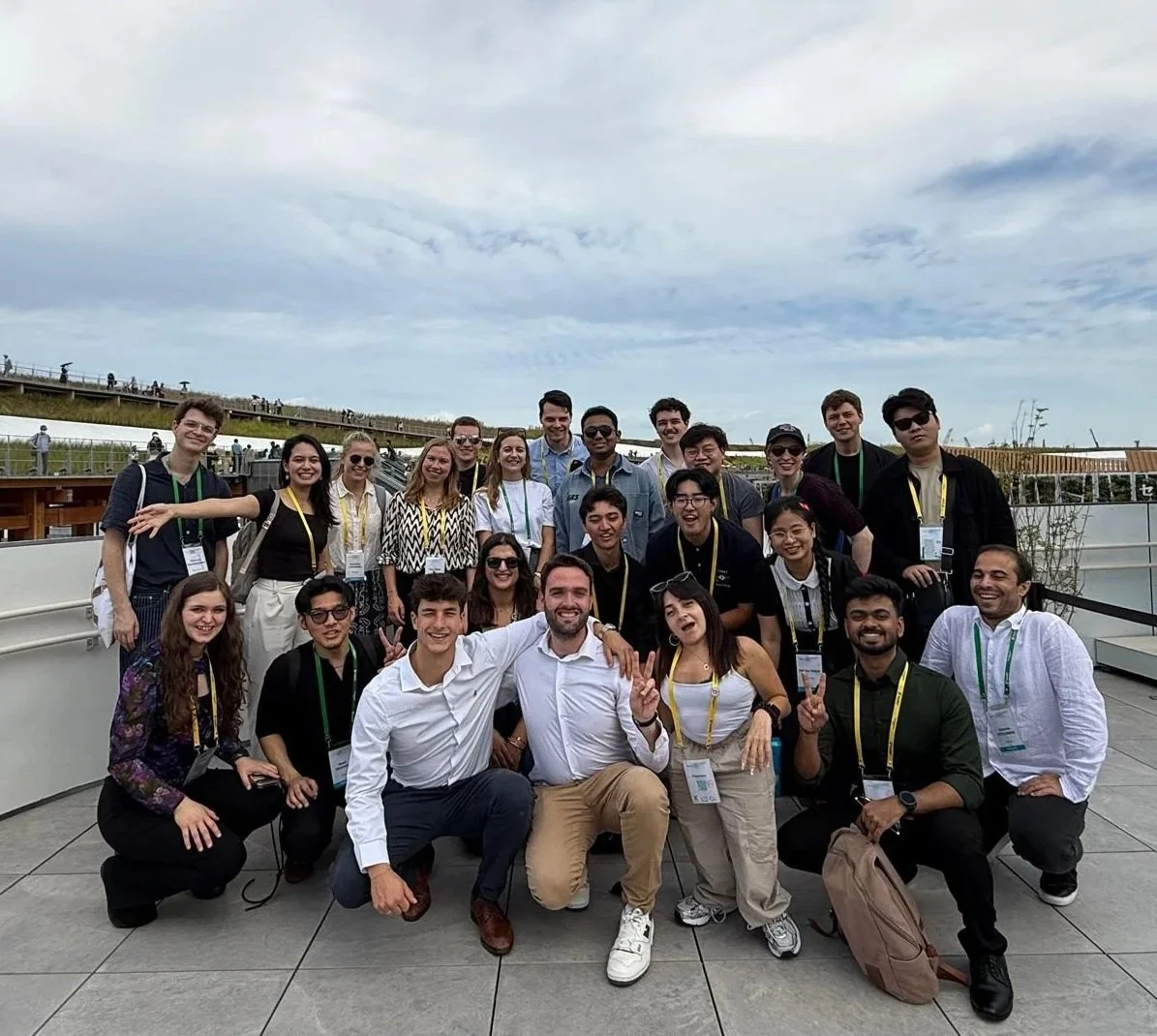
Before sharing this enriching experience, I must introduce the organisation that made it possible, the foundation that brought together 89 young leaders from Asia and Europe to work on a major topic for our future. ASEF (Asia-Europe Foundation) is an intergovernmental, not- for-profit organisation that strengthens cooperation between Asia and Europe by promoting mutual understanding and creating opportunities for exchange. As the civil society outreach of the Asia-Europe Meeting (ASEM), ASEF serves as a platform for dialogue, builds lasting networks, and provides recommendations to ASEM governments. [1]
Guided by its vision of a world where “Asians and Europeans shape the future together, respectfully, fairly, and sustainably,” ASEF has organised the ASEF Young Leaders Summit (ASEFYLS) for six editions. This youth platform connects young people across both regions and develops leadership on three levels: self-leadership, team leadership, and societal leadership. The 6th edition focused on “Leadership in Society 5.0,” combining virtual and in-person components to foster collaboration and learning.
[1] https://asef.org/about-us/our-mission/#whoweare
What does the Programme Involve?
First of all, what is “Society 5.0”? It describes a human-centred society that integrates cyberspace and physical space to balance economic progress with solutions to social challenges. ASEFYLS explored the type of leadership needed for this future and how young people can prepare with ethical, inclusive, and sustainable values. The ASEFYLS6 programme ran from July to October 2025 and consisted of three phases designed to help participants learn, collaborate, and turn theory into action: (1) the Knowledge Building Phase, (2) the Leadership in Action Phase, and (3) the Youth Summit. [2]
[2] https://asef.org/projects/6th-asef-young-leaders-summit-asefyls6/
Phase 1: Knowledge Building Phase [3]
From 29 July to 26 August 2025, all 89 participants took part in webinars and dialogues exploring Leadership in Society 5.0 a human-centred vision linking technological progress with social wellbeing. Through these sessions, we strengthened our understanding of the economic, environmental, and social dimensions of Society 5.0.
Session 1 | 5 August 2025: Society 5.0 – Economy
This session explored how Society 5.0 is reshaping economies, highlighting that while AI and digitalisation can boost productivity, they also risk widening inequality and increasing ecological pressure. Ensuring fair and sustainable progress requires investment in human capital, strong digital infrastructure, and policies that support innovation while protecting social and environmental values. [4]
.Session 2 | 12 August 2025: Society 5.0 – Environment
This session examined how advanced technologies like AI, IoT, and big data can accelerate environmental sustainability. Although these tools improve climate monitoring and resource efficiency, they cannot replace political will or behavioural change. Bridging the climate action gap demands cultural shifts, youth leadership, and long-term governance to build resilient and sustainable societies. [5]
.Session 3 | 19 August 2025: Society 5.0 – People & Work
This session explored how Society 5.0 will redefine daily life, wellbeing, and work through the integration of digital and physical spaces. While AI offers new opportunities, unequal access may deepen global divides. The session emphasised that the most essential future skills remain human empathy, collaboration, adaptability, and lifelong learning and that progress must be measured through wellbeing and meaningful lives, not just economic growth. [6]
[3] https://asef.org/projects/asefyls6-webinar-series-on-the-future-of-the-economy-environment-and-people-work-in-society-5-0/
[4] https://youtu.be/yUnaxk3P918?si=GPGsgnBt8xu26gZ8
[5] https://youtu.be/3NTwukjmIuI?si=oPkhx3f-hf2efJrQ
[6] https://youtu.be/jZGaR-Rvz8U?si=fEjAuxRvROKkj3DS
Phase 2 - Leadership in Action Phase: 27 August - 28 September 2025, Virtual
In this phase, we applied our leadership by collaborating on solutions to real global challenges. In teams, we gathered case studies on how technology tackles societal issues. Our team was composed of people from Pakistan, Sweden, Japan, Australia and Poland and two coaches from Cyprus and Kazakhstan and we saw ourselve attributed the next challenge: ‘How can we ensure people in rural or low-resource areas can get timely, reliable healthcare support?’. In order to tackle this challenge of bridging healthcare to remote communities we decided to work on four case studies (2 asians and 2 europeans).
First, Germany’s digital diagnostics solution. In fact Germany uses digital diagnostics to improve healthcare access in rural, low-resource areas. Through 24/7 autonomous health stations, wearables linked to a central data platform, and patient-controlled data, communities gain timely tests, continuous monitoring, and fewer unnecessary doctor visits. The initiative helps address the 40% rural physician shortage, demonstrating how smart, human-centred technology can close critical healthcare gaps.
Second was on Northern Ireland’s Rural Support model that tackles the unique mental-health challenges faced by farming communities by combining professional therapy, frontline local contacts trained to spot warning signs, and easily accessible low-tech services such as helplines and on-site support at farming events. By embedding care within trusted rural networks, it overcomes stigma, isolation, and service gaps reflected in a 55% rise in demand, showing strong community need and confidence in the approach. Third case was about Pakistan’s community-led telehealth model which improves healthcare access in low-resource areas by training local teachers as trusted e-health facilitators, providing door-to-door guidance to overcome digital and cultural barriers, and offering a subsidized e-clinic that grew into a full medical centre serving hundreds of families. This grassroots approach builds trust, expands digital literacy, and delivers essential care where formal services are scarce while also unexpectedly raising mental-health awareness as communities begin to understand the link between mind and body health.
Last case, was Australia’s Bush Nursing Expansion who shows how nurse-led care can greatly improve healthcare access in remote areas. By combining home visits, preventive screenings, and telehealth links to regional hospitals supported through cross-sector funding remote nurses provide essential, culturally appropriate services. The model has expanded patient reach and enabled more nurse days across multiple centres, demonstrating a sustainable, community-driven approach to rural healthcare.
These four case studies suggested that technology only works when built on strong human and community foundations. Effective solutions must adapt to local needs and barriers, rather than applying one-size-fits-all models. Lasting impact comes from empowering local leaders, supported but not replaced by digital tools.
Phase 3 Youth Summit: 29 September - 5 October 2025, Osaka, Japan [7]
The in-person Youth Summit of ASEFYLS6 marked the final phase of the two-month programme on “Leadership in Society 5.0.” The Summit brought together 89 young leaders from 50 Asian and European countries for a week of intellectual exchange, intercultural learning, and leadership development across self, team, and societal levels.
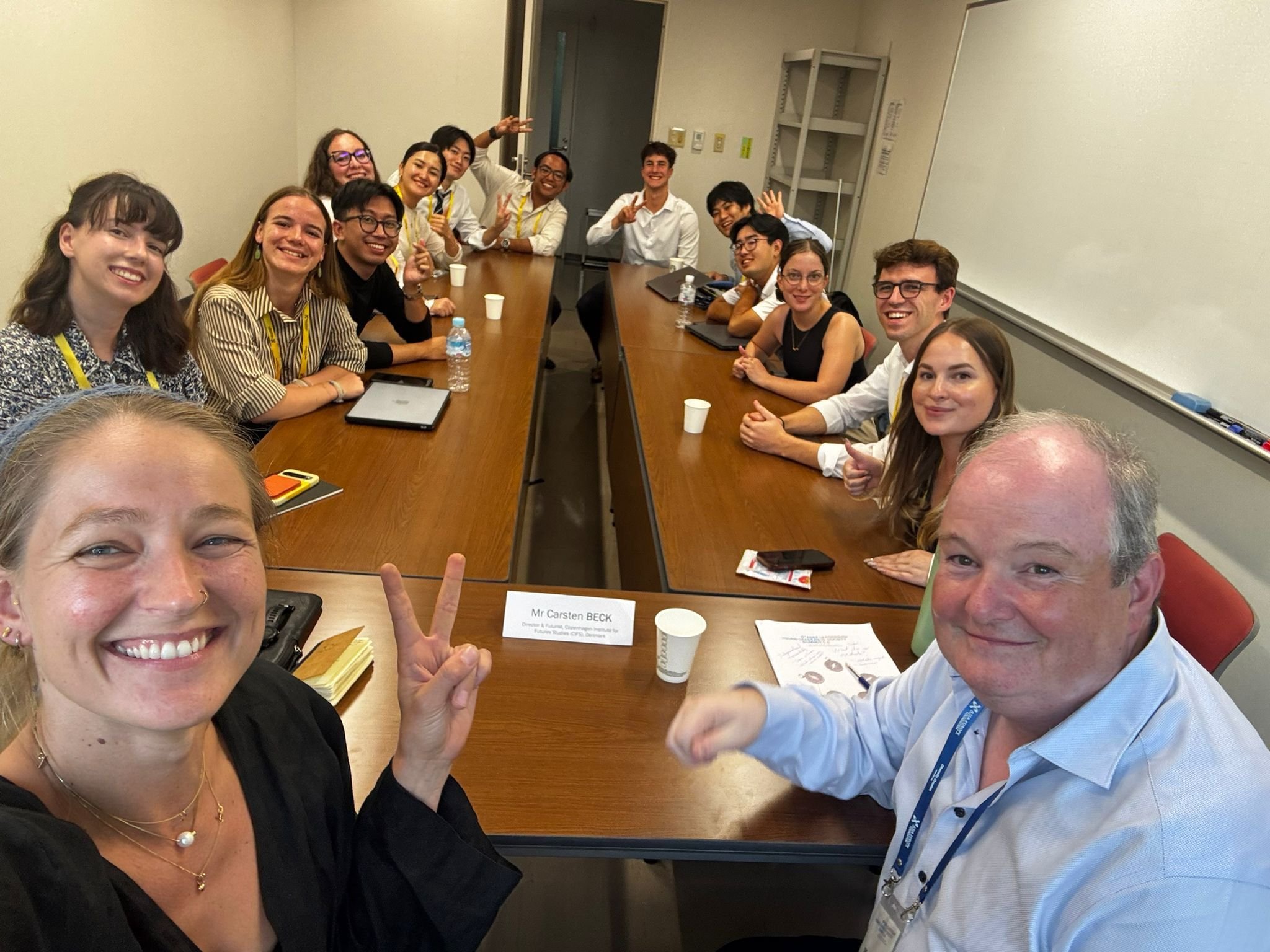
Day 1 began with a keynote by Professor Yuko Harayama (Professor Emeritus, Tohoku University; GPAI member), who asked whether humans can remain at the centre as AI reshapes society. She stressed that leaders must embrace uncertainty, keep questioning, and ground their leadership in self-understanding. Dr. Špela Stres (Head of the Innovation Relay Center, Jožef Stefan Institute; EIC Board Member) followed by highlighting that innovation only serves society when guided by ethics and values, reminding participants that “a budget is a moral document.” Their messages came together in a panel with Mr. Carsten Beck, moderated by Ms. Freya Chow-Paul, emphasising the need for ethical, human-centred leadership in Society 5.0.
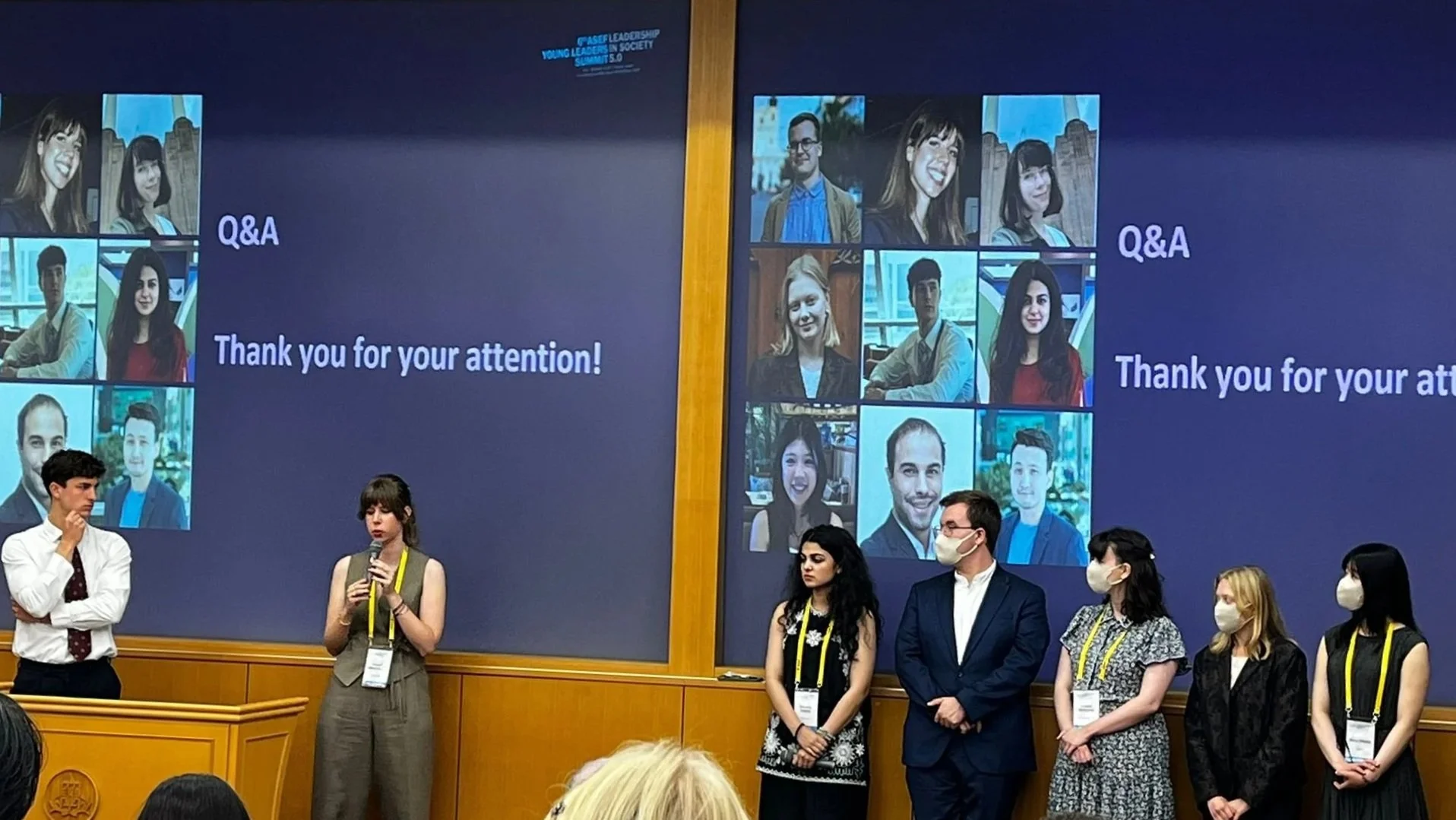
Day 2 opened with a keynote by Mr. Nararya S. Soeprapto, Deputy Secretary-General of ASEAN and ASEF Governor for ASEAN, who urged us to see ourselves as co-creators of Society 5.0 and emphasised that digital progress must uphold human dignity and inclusion. Teams then presented the cross-border technological solutions they had developed over the previous months, showcasing how diversity strengthens innovation. In the afternoon, a panel with Mr Jonathan Wong (UN ESCAP), Dr Lizan E. Perante-Calina (Development Academy of the Philippines) and Dr Judit Erika Magyar (EURAXESS Japan) explored how to balance economic advancement with ethics, sustainability, and social inclusion. Breakout discussions with the speakers deepened debates on governance, digital transformation, and youth influence, repeatedly returning to a key question: How can young people help shape the policies of a digital and sustainable future?
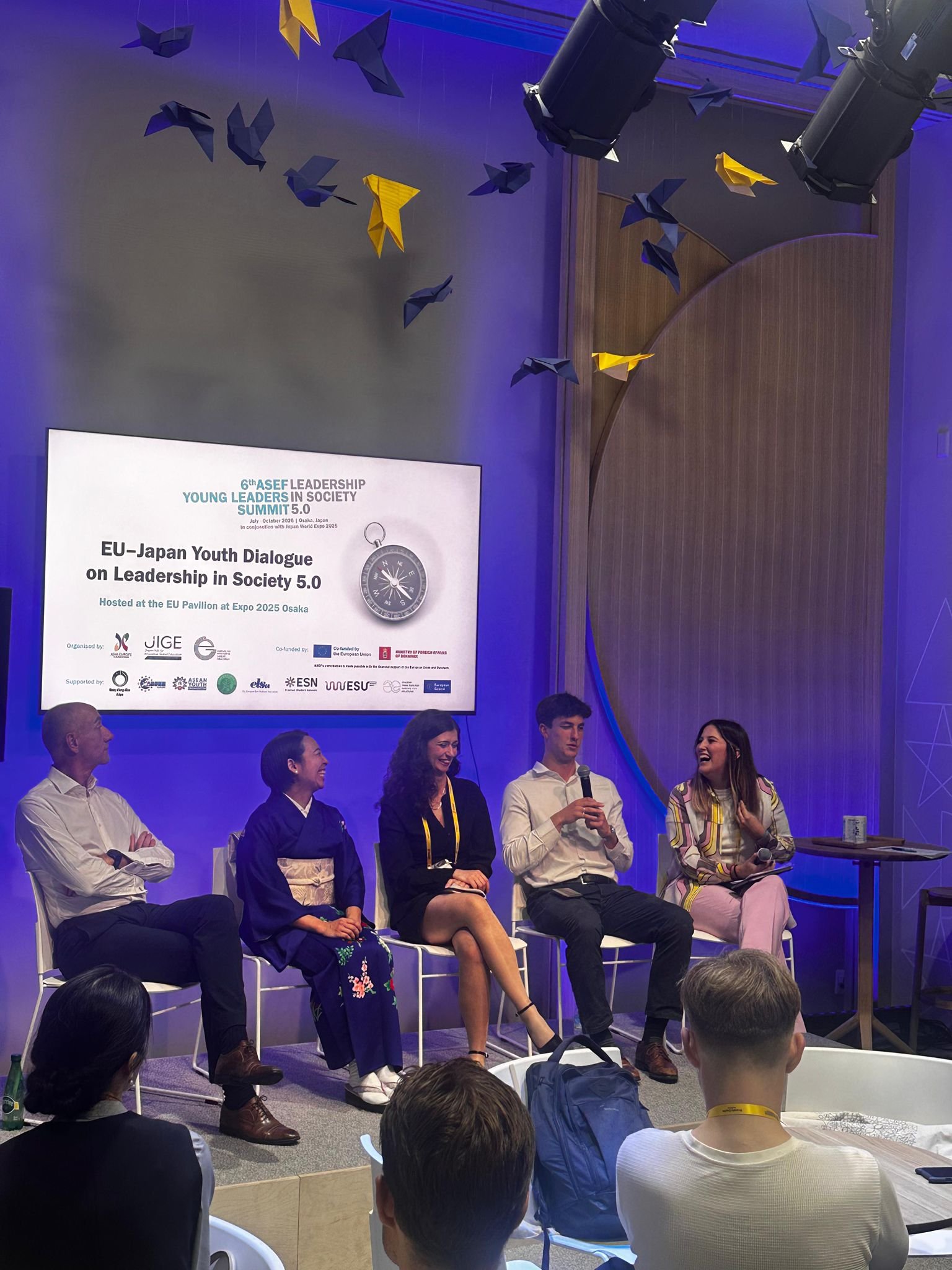
On Day 3, we explored the Osaka Expo 2025, visiting various country pavilions and presenting our case studies at the Team Expo pavilion. In the afternoon, the EU–Japan Youth Dialogue on Leadership in Society 5.0 took place at the EU Pavilion, one of the key moments in which I represented ELSA in a panel discussion. The session opened with remarks by H.E. Jean-Eric Paquet, EU Ambassador to Japan, and Ms Yoko Kitaguchi, Japan Country Representative of the Erasmus Mundus Association. The panel also included young European leaders such as Ms Petra Gombár (Hungary, President of AEGEE-Europe) and Ms Sara Tagliabracci (Italy, Global Mobility Coordinator at ESN). Our discussion on youth leadership was followed by world-café conversations with ASEFYLS6 participants, Japanese students, and young professionals, where I had the pleasure, beyond promoting ELSA’s work, to answer questions on the role of law and, more specifically, the importance of courts in developing AI- based judicial assistants within the framework of Society 5.0.
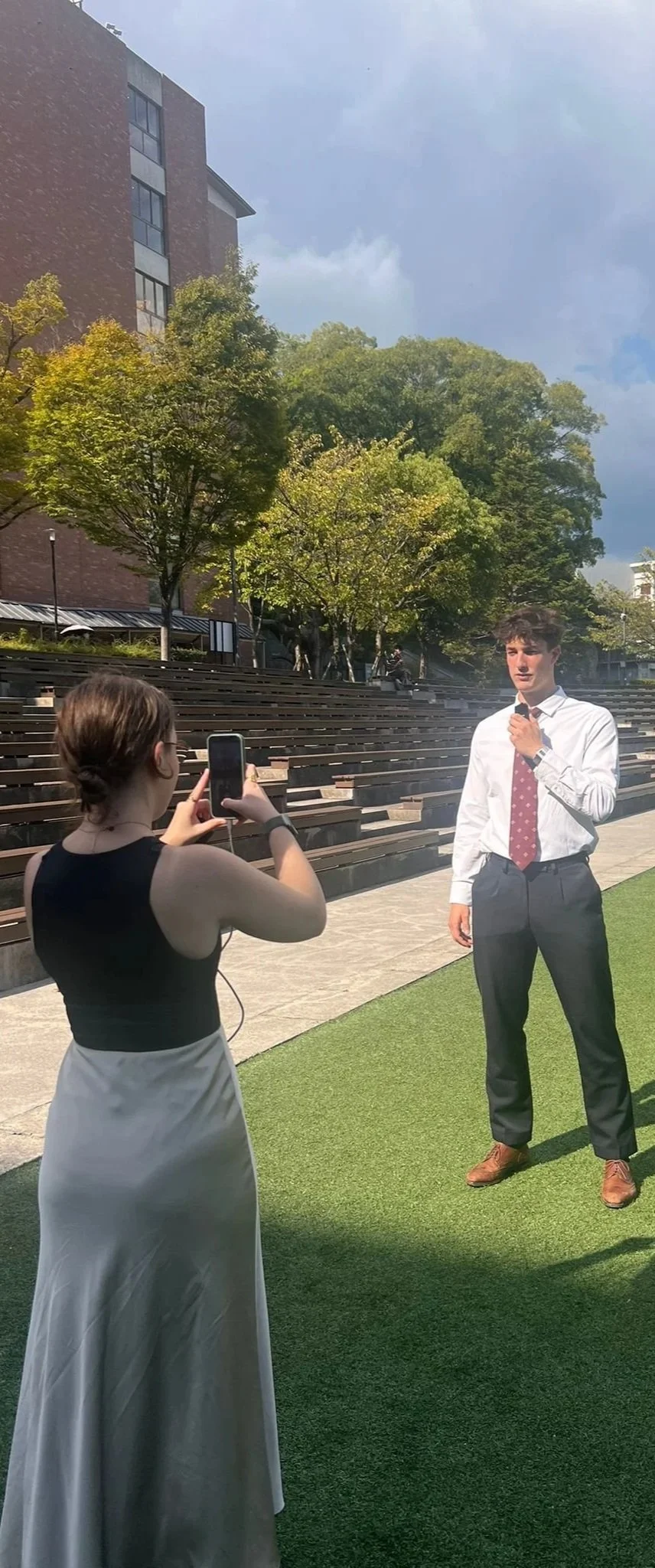
On Day 4, we visited the JICA Kansai Center, learning about JICA’s mission of “Connecting the world with trust” through human security and quality growth, followed by a moving visit to the Great Hanshin-Awaji Earthquake Memorial, which highlighted Japan’s resilience and the importance of disaster preparedness. In the afternoon, a panel on Society 5.0 featured Prof. Motoko Kotani (Tohoku University; Vice President, International Science Council), Sayaka Tanaka (Founder, Waffle.org), and Prof. Toru Iiyoshi (Kyoto University), moderated by Robin Takashi Lewis (Co-Founder, MyMizu & Social Innovation Japan). They discussed Japan’s role as a “front-runner of global challenges,” stressing trust, co-creation, ethics, and the need for human-centered technology in an aging and disaster-prone society. The day closed with an interactive Education 5.0 workshop led by Prof. Keiko Ikeda (Japan Hubfor Innovative Global Education), where participants explored how AI, global learning, and evolving skills can support a truly human-centered future.
Finally, on the fith and last day was centered on Youth & Digitalisation, beginning with a workshop led by Ms. WAI Wai Nu, Founder of the Women’s Peace Network, Mr. David TIMIȘ, Digital Policy Expert, and Mr. POON King Wang, Director of the Lee Kuan Yew Centre for Innovative Cities (LKYCIC). They explored how digitalisation empowers youth in education, activism, and employment while also raising concerns around privacy, bias, and inclusion. In the afternoon, we joined a Planning & Follow-up for Multipliers workshop, designing concrete action plans to bring ASEFYLS6 learnings back to our communities. The day closed with a shared sense of achievement and the reminder that the Summit’s real impact begins once we return home and transform insights into collective action.
[7] https://asef.org/news/asefyls6-youth-summit-in-osaka-japan/
Outcomes of ASEF: Looking Ahead
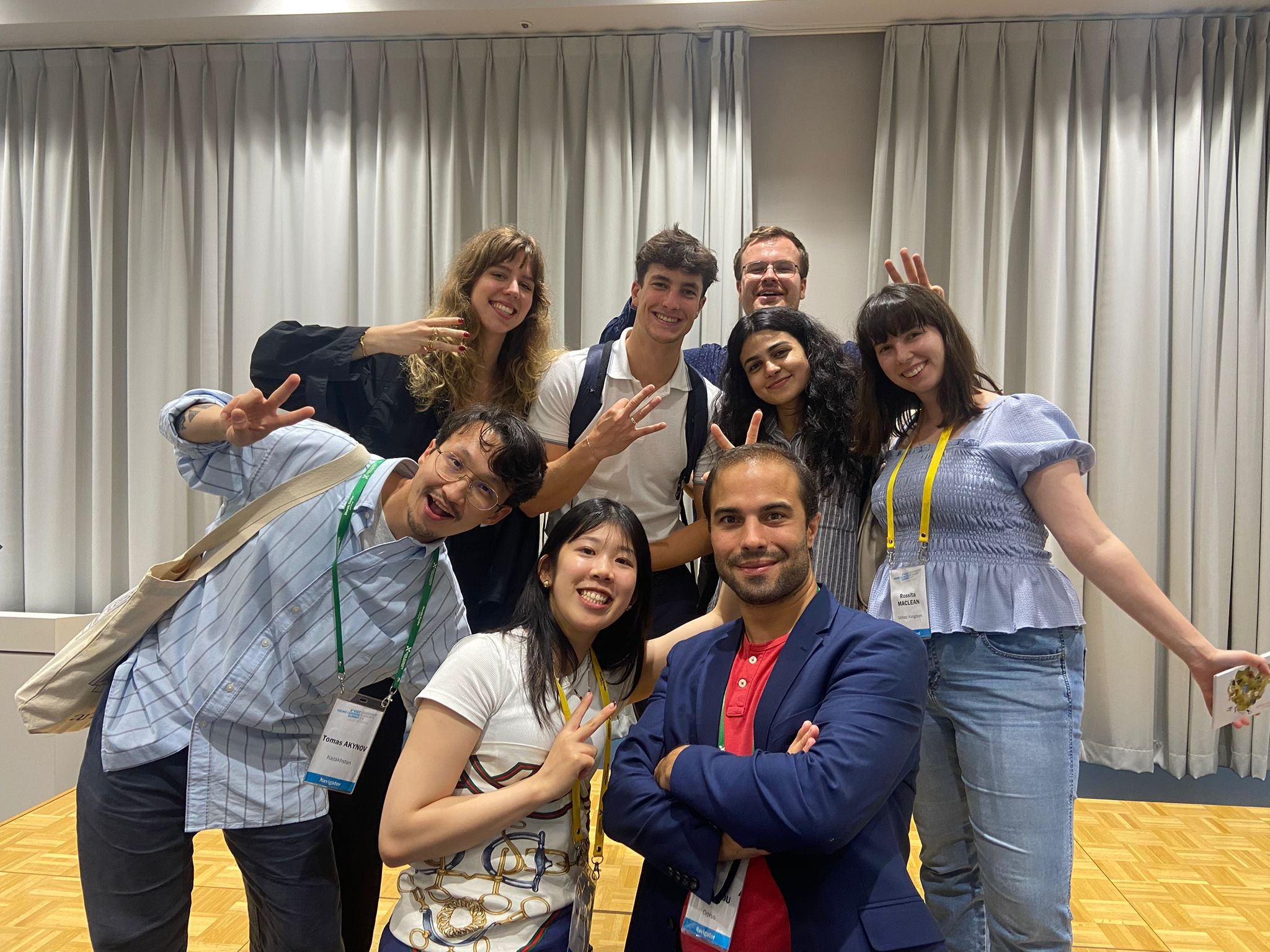
Beyond everything I learned, what truly marked this experience were the incredible people I met, young professionals from across Asia and Europe, involved in regional, national, supranational, and international institutions and NGOs. It was a real pleasure to exchange ideas with all 89 participants, to confront ELSA’s concerns with ASEAN perspectives, and to discuss any topic with people from diverse fields. Expertise was never a barrier; everyone was willing to explain, question, and enrich the debate at any moment.
This programme deepened my interest in a topic I was initially simply curious about, and now I am even more motivated to explore how we, as young people, can contribute to the challenges of our future through the lens of Society 5.0.
Ultimately, what I value most from this experience is the set of tools it gave me to understand future challenges and interpret them within the framework of Society 5.0. It offered me a first glimpse into our collective potential and encouraged me to think broader, further, and most importantly together, strengthening the bridge between Asia and Europe.
Final Remarks
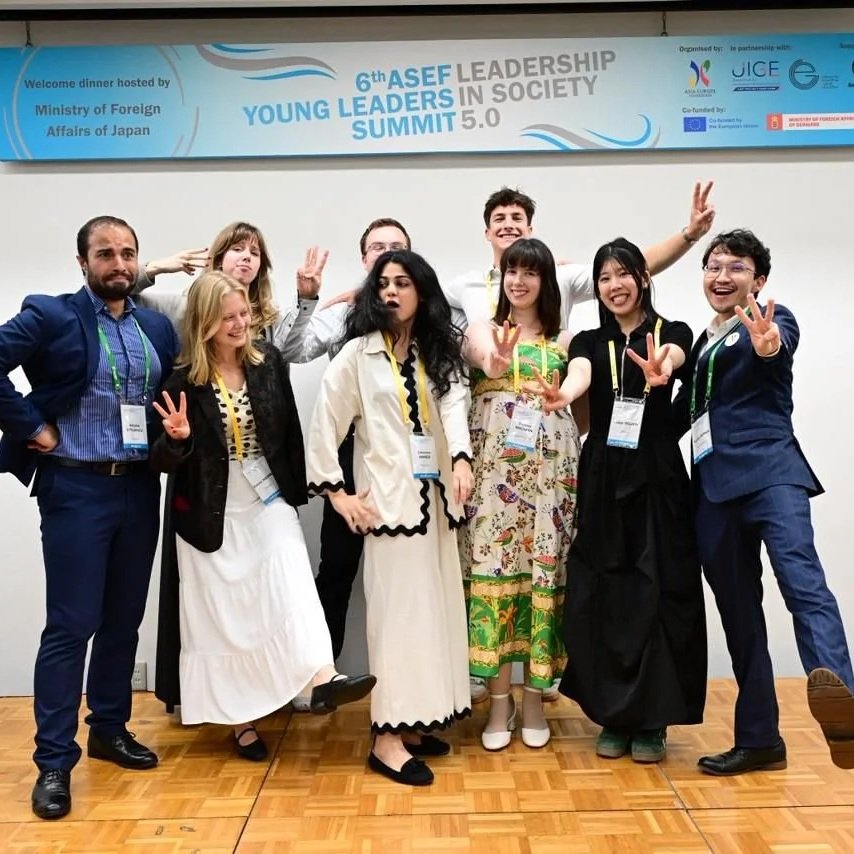
The goal for all of us now is to implement and advocate for this vision, applying what we learned with a focus on interdisciplinarity and, above all, on the future challenges, consequences, and solutions within Society 5.0.
This year, I am very happy to serve in ELSA through an international moot court on trade law that focuses on privacy protection, highlighting the importance of safeguarding digital rights and human dignity in cross-border data flows. I am also taking part in a Practical Innovation project that helps companies address specific challenges, with our team focusing on their digitalisation journey and the responsible use of AI empowering teams rather than dividing them, as emphasised in our Knowledge Building Phase.
Finally, my personal goal is to one day align my two main legal interests: human rights and new technologies, including AI regulation. I hope to advocate for a more digitalised world, as I truly believe in Society 5.0 and its potential to coexist with fundamental rights without undermining them by connecting, defending, and working together across disciplines and borders.